
No nation wins World War II alone, not in history and not in the game. Understanding how factions, guarantees and world tension work is what separates showing up to war with allies from showing up alone and getting dragged around.
Factions
A faction is a group of countries committed to defending each other: if one goes to war, they all do. You can build your own or join an existing one —  the Axis and
  the Allies both start already formed in the historical game. Being in a faction is close to mandatory before any serious war; fighting alone against a power with allies is a steep uphill climb.
Guarantees and Pacts: the Real Cost
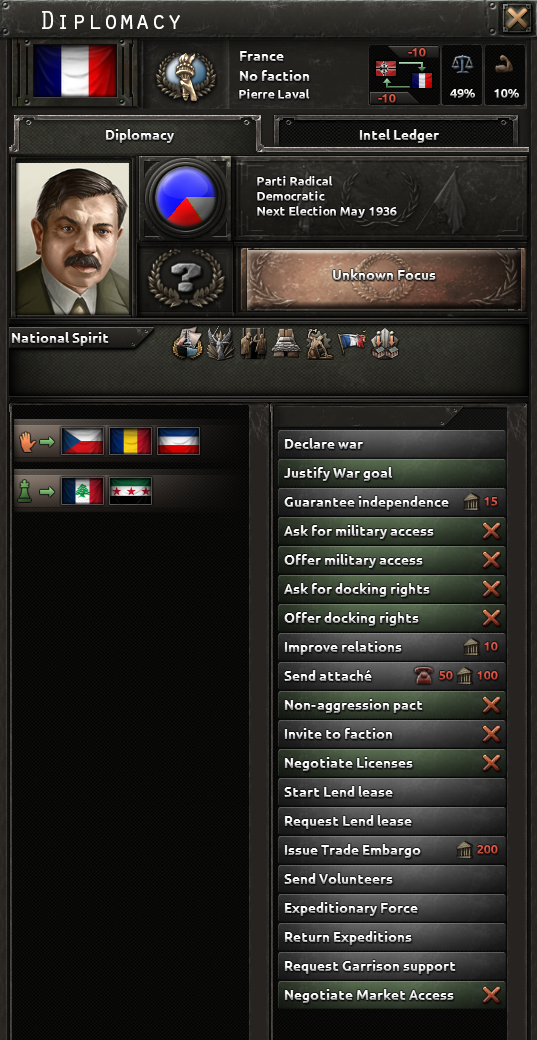
Below full factions sit more flexible tools: guarantees of independence (you commit to defending a country without formally joining its faction),  non-aggression pacts (lower the risk of being attacked while they hold), and military access (to move troops through someone else's territory). What a lot of people don't factor in is that guarantees don't cost the same every time: the first one runs you
  15 political power, but every additional guarantee you already have active adds another 15 to the cost of the next — the second costs 30, the third 45, the fourth 60, and so on. Handing out guarantees to every neighbor gets expensive fast; save them for the weak neighbors you actually want as a buffer zone.
Subject Nations: Puppets and Autonomy Levels
When you conquer or release a country, you don't have to annex it outright: you can turn it into your puppet instead, installing a government loyal to your ideology rather than absorbing it. It generates considerably less world tension than annexing territory outright, so it's usually the safer option if you don't want to risk foreign intervention. The game splits subjects into four autonomy levels, from most to least controlled —  Integrated Puppet, Puppet, Colony, and
  Dominion — each with its own split of factories, manpower, and trade discount.
 War Justification: the Real Timelines
Fabricating a casus belli against another country isn't instant: it costs political power (a minimum of 2 that rises the lower the current world tension is) and, above all, takes 6 to 9 months to complete. Once it's ready, that war justification only stays valid for 2 months before it expires — so starting the process without already knowing when you're going to declare is throwing the work away if you miss the window.
 World Tension
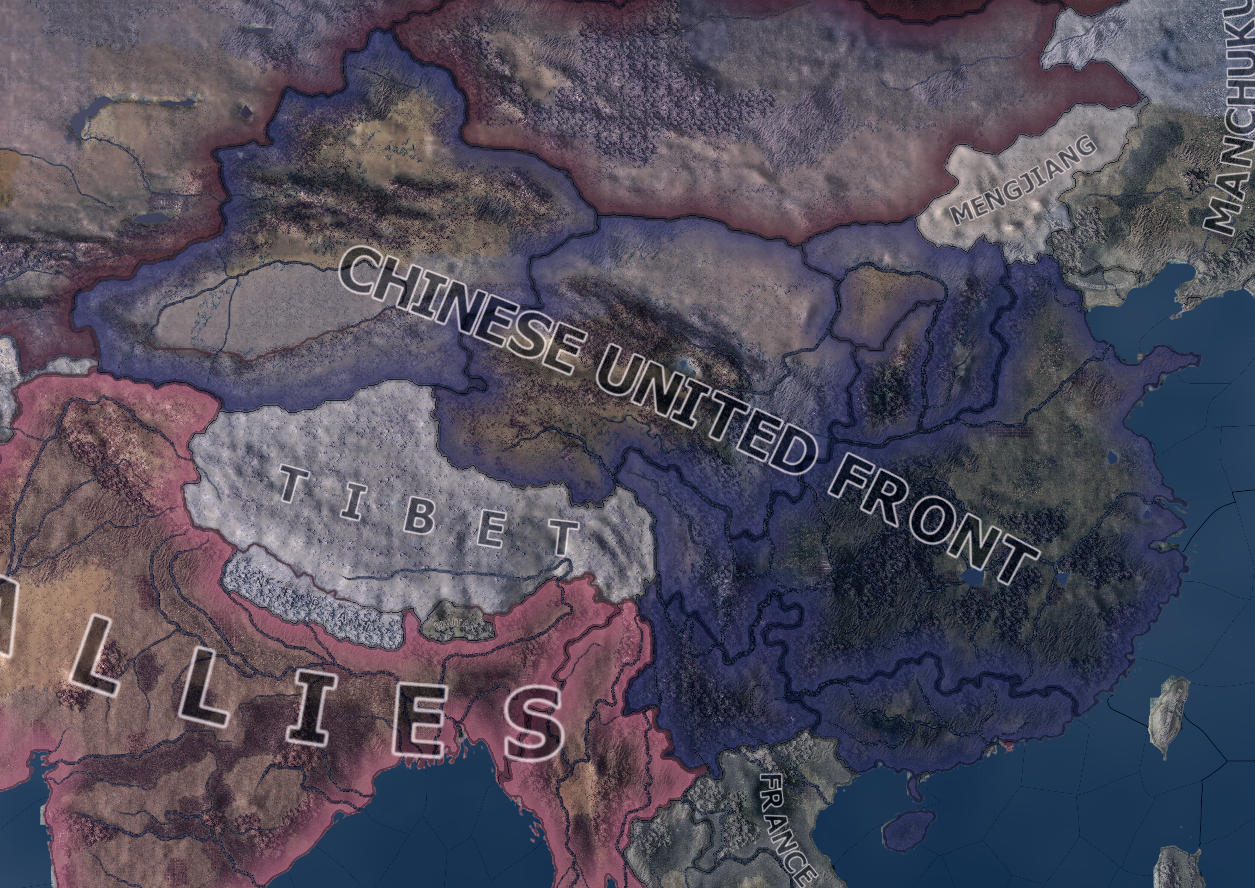
Plenty of aggressive moves — justifying a war, annexing territory, mobilizing the army — are gated by what the game calls world tension: the higher it sits, the more room you get to act aggressively without penalty. Early on, tension is low, so aggressive moves cost more war-justification "points." As other countries start fighting each other, world tension climbs and gives you more room too.
The Mistake of Going Alone
Going to war with no allies and no guarantees, betting everything on your own army, is mistake number one. Number two is not watching which wars your faction could pull you into — before joining one, check what its other members are already committed to. Number three is justifying a war without an invasion plan ready — with only a 2-month window after it completes, showing up late means starting that whole 6-9 month process over again.