
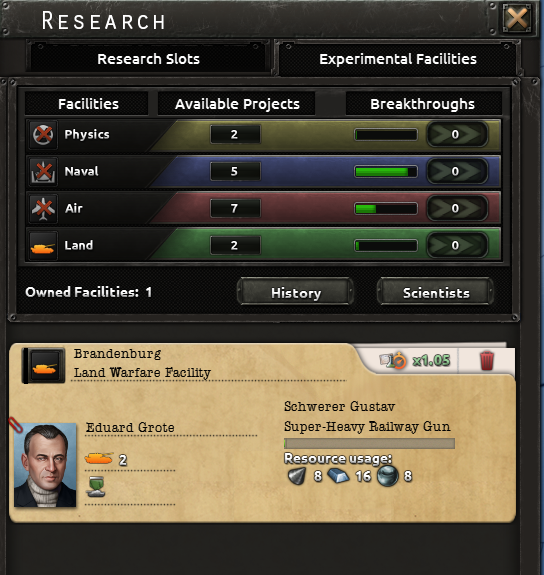
Götterdämmerung's special projects split research into four categories —  Nuclear Research,
  Naval Engineering,
  Aerodynamics and Avionics, and
  Land Warfare —, each with its own experimental facility and its own class of scientist. Nuclear gets all the attention for the bomb, but the other three hide some of the most ridiculous toys in the game: nuclear submarines, transatlantic bombers, and tanks the size of a building.
Why It Matters
A nuclear reactor isn't just an expensive building — it's the gateway to the only weapon in the game that can wipe out an entire state's industrial capacity in a single strike. But getting there requires specific research, a reactor built and running, and a wait measured in years of game time, not weeks. And nuclear is only one of the four routes: the other three hand out equipment and units you'll likely use anyway in plenty of games, superweapon ambitions or not.
How It Works: Facilities, Scientists, and Breakthroughs
Each category has its own experimental facility and its own class of scientist, hirable at any time for 25/50/75/100 PP depending on whether it's your first, second, third, or later recruit. Before you can start any project you need scientific breakthroughs in that category: they build up by researching related technologies, by having a scientist perform basic research at the facility, or — more quietly — from every rocket site or nuclear reactor you already have built. With enough breakthroughs, a project moves through an establishing phase, an initial research phase, and a prototyping phase that repeats until it reaches 100%; each finished prototype can unlock equipment, technology, or other projects, but it can also go wrong and cost you a setback.
 The Nuclear Program: the Real Cost in Time
A standard nuclear reactor produces one bomb every 852 days — 2.34 years of game time — and a heavy water reactor, despite improving other parts of the program, doesn't get below 1,278 days (3.5 years) per bomb. Thermonuclear bombs, further down the tree, take twice as long as their standard equivalents. With those timelines, a nuclear program started mid-game rarely produces more than a handful of bombs before the war has already been decided by other means.
 What a Bomb Actually Does When It Drops
The impact is brutal and measurable: units in the target province take between 10% and 90% random damage to their current strength and organization, every building in the province drops to 0 structure points, and the state loses up to 20% war support (less if its infrastructure was already below level 10). On top of that, it leaves radioactive aftereffects for a full year: -30% division speed, -40% factory repair speed, and -40% construction speed in the area. A thermonuclear bomb doubles that duration to two years and hardens the numbers to as much as -65% division speed and -75% factory repair speed.
Naval Engineering: Whole Generations of Submarine
Naval Engineering doesn't design a new submarine each time — it unlocks entire hulls, one after another.  Cruiser Submarine is the entry point the moment you start researching this category; from there comes the
  Fleet Submarine, the backbone of most mid-game submarine programs. Two much pricier projects branch off the Fleet Submarine: the
  Nuclear Submarine (which also requires Nuclear Engines, a Nuclear Research project, to be completed first) and the
 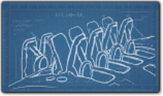 Missile Launching Submarine, which needs a ballistic missile already researched and adds a submarine missile launcher module. Neither is cheap or fast, but they completely change what your submarine fleet can do: near-unlimited range with the nuclear one, and the ability to strike inland without exposing a single surface ship with the missile one.
Aerodynamics and Avionics: Rockets, Impossible Bombs, and Jet Engines
This category covers far more than rockets: the full 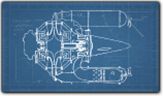 jet engine progression (Jet Engine → Axial Jet Engine → Supersonic Jet) toward modern aviation, helicopters, radar, and a handful of extreme bombs and aircraft meant to break the balance of air warfare. The
 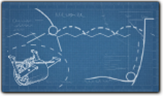 Bouncing Bomb lets you level dams and locks with a dedicated strike; the
 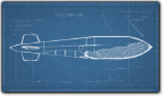 Earthshaker Bomb does the same to heavy fortifications; and the
 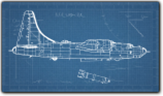 Intercontinental Bomber — the classic "Amerikabomber" project — adds an aircraft with real transatlantic range, with a unique variant if you complete it playing as Germany and pick Focke-Wulf as project lead. The
 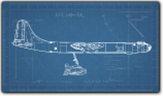 Mothership Aircraft, even more eccentric, is the game's take on real "parasite fighter" experiments: a bomber that deploys its own escort fighters mid-flight.
Prestige aside, don't forget the practical detail: every rocket site you build adds +0.01% daily progress toward the next milestone in this category, so a nation running several active sites over a long game advances these projects almost without noticing.
Land Warfare: When a Tank Becomes a Battleship on Treads
Land Warfare splits its budget between reasonable upgrades — the 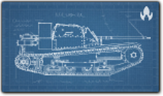 Flamethrower Tank or
 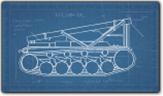 Military Engineering Vehicles, both with immediate practical use in the division designer — and projects that flat-out ignore any notion of common sense. The most famous is the
 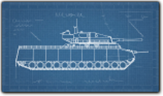 Land Cruiser: a building-sized tank inspired by the never-built German Landkreuzer P. 1000 Ratte, which can equip heavy or medium naval gun modules — yes, the same ones a battleship would carry — literally turning it into a warship on treads. With No Step Back active it becomes its own chassis in the designer; without it, the game hands you a unit and a production line outright on completion. In the same vein of impossible artillery are the
 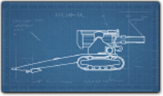 Super-Heavy Howitzer, its self-propelled variant, and the
 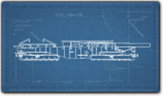 Super-Heavy Railway Gun — if you're playing as the German Reich, the game automatically names it "Dora," the real name of the largest railway gun ever built.
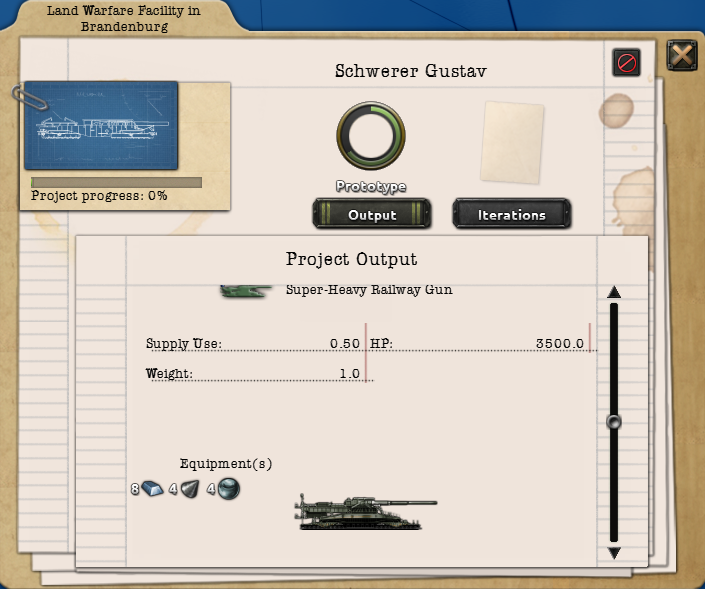
Here's what the project looks like from the inside while it's underway: the prototype, the equipment's provisional result (HP, weight, supply use), and the resource cost that will carry over to mass production once it's complete.
When Each Program Actually Pays Off
Nuclear is the only one of the four with more than two years of waiting per result in the best case, so it isn't a tool for winning a war that's already on top of you — it's a long-term bet that only makes sense if you're playing long games and already have your basic industry covered (the reactor costs 30,000, more than any other building in the game). Naval Engineering and Aerodynamics and Avionics pay off much sooner if you were going to build submarines or aircraft anyway: there, the projects aren't a side luxury, they're the normal route to better equipment. Land Warfare is the most optional of the four — nothing there is necessary to win — but if your game is running long and you have industrial capacity to spare, a Land Cruiser on the front line serves as much a propaganda function as a military one. The practical rule: hire one scientist per category as soon as you can afford to, but decide carefully which one is worth putting your experimental facility time into — you can't run all four at full tilt without neglecting the rest of your economy.